




Guest editor Gregor Harvie
In a slight change to the normal format, our guest editor this week is Designing Buildings Director and Co-founder Dr Gregor Harvie. Gregor has picked out some featured articles he wants to draw attention to, and that is followed by a Q&A with IHBC's context journal.
|
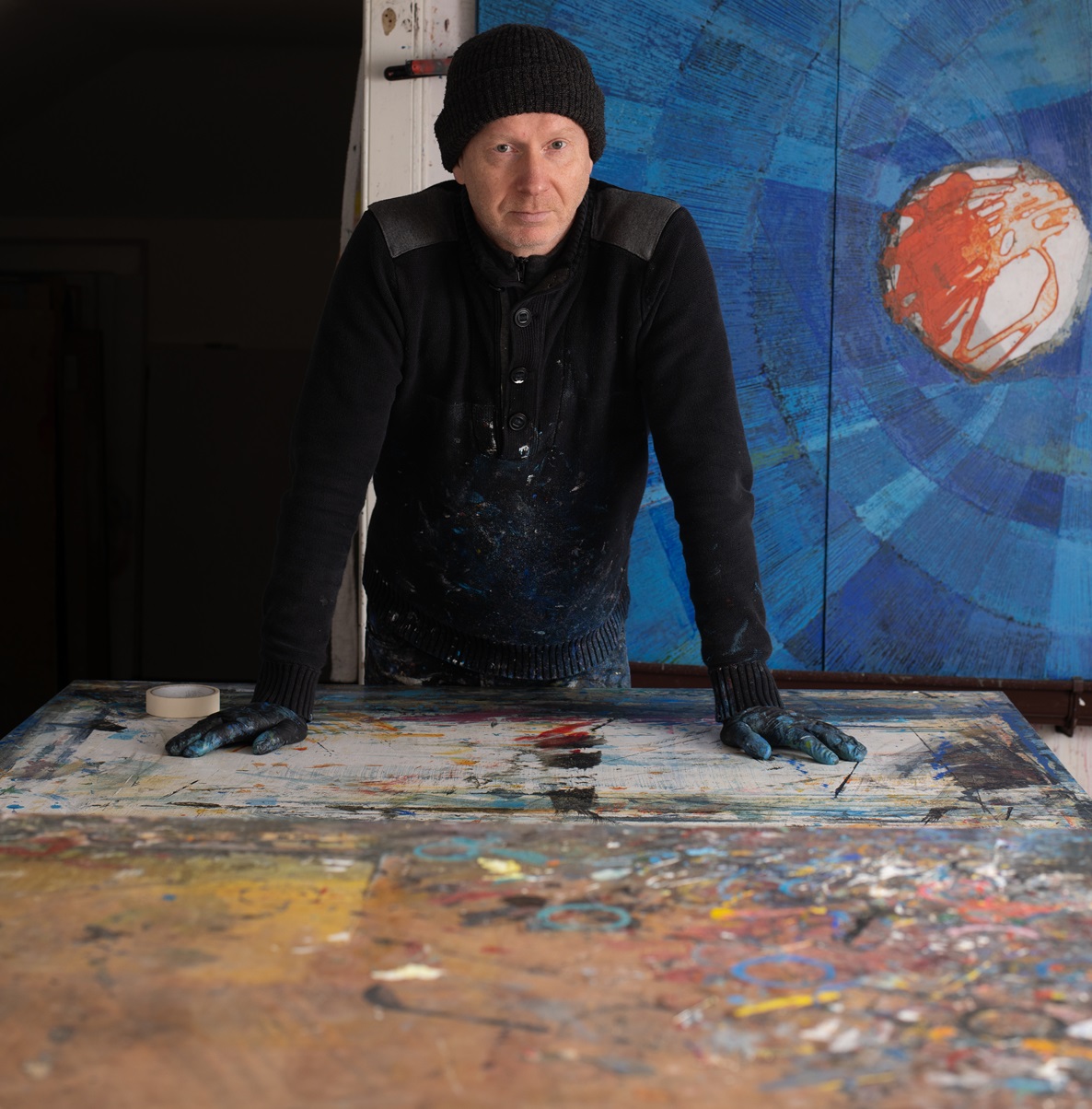
| Gregor Harvie. Photo: Chris Wallace Photography |
What articles have you selected to feature?
I wanted to focus on creativity. The construction industry can get bogged down with delivering projects and sometimes forgets just how creative buildings can be. Some of the world's greatest works of art are buildings, and art and architecture are closely intertwined. At the most basic level, every painting needs a wall to hang on and lighting to illuminate it - but as I hope the articles I have selected show, the possibilities for art and architecture are limitless. Once in a while we need to remind ourselves that buildings can be imaginative and even fun.
| Selected articles from Designing Buildings | |
|
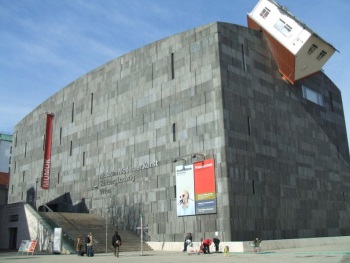
Check out this great list of 100 of the world's most unusual designs from around the world. |
|
|
Also referred to as guerrilla art or post-graffiti art - not everything is in our control. |

|
|
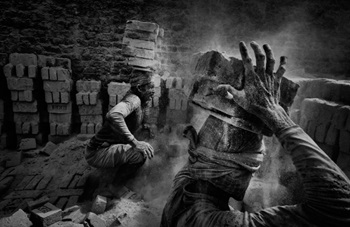
Winners of the CIOB art of photography competition Some spectacular insights into the beautiful and the shocking. |
|
| Selected articles from around the web | |
|
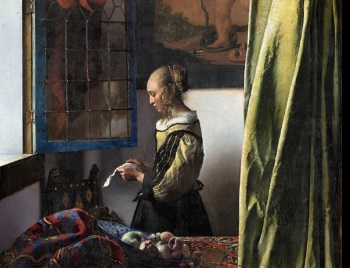
The best art and architecture of 2023 (The Guardian) From a ceramic wedding cake you can climb inside to Vermeer's girl reading a letter at an open window. |
|
|
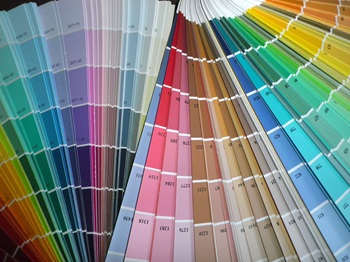
Predicted colour trends for 2025 (Dezeen) Colours depicting comfort, warmth and joy will be vital says NCS's colour trends report. |
|
|
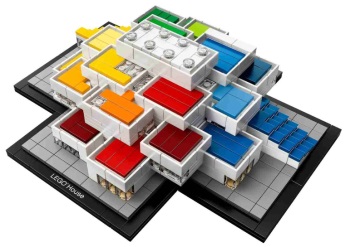
Lego art and architecture (Muddy Stilletos) And finally - if working is not fulfilling your creative needs, you can always pick up some Lego at home. |
|
Who has been your greatest inspiration?
Frei Otto, the German architect and structural engineer, for having a vision for a different type of structure and then having the determination to make it a reality, starting with simple analysis of soap bubbles and taking it right through to the delivery of structures such as the 1972 Olympic Stadium in Munich and the German Pavilion at the Montreal Expo in 1967.
What has been your best idea?
Creating Designing Buildings, the collaborative knowledge-sharing platform for the construction industry. People had talked about the poor dissemination of knowledge in the industry for as long as I could remember, and as the technology was available to do something about it, it seemed crazy that nobody had. Now Designing Buildings has become more popular than I could have imagined, with seven million users a year. It has benefited hugely from our collaboration with the IHBC and the creation of Conservation Wiki, taking conservation knowledge beyond the realm of specialists and out to the rest of the industry.
What would you like to have been if you were not at Designing Buildings?
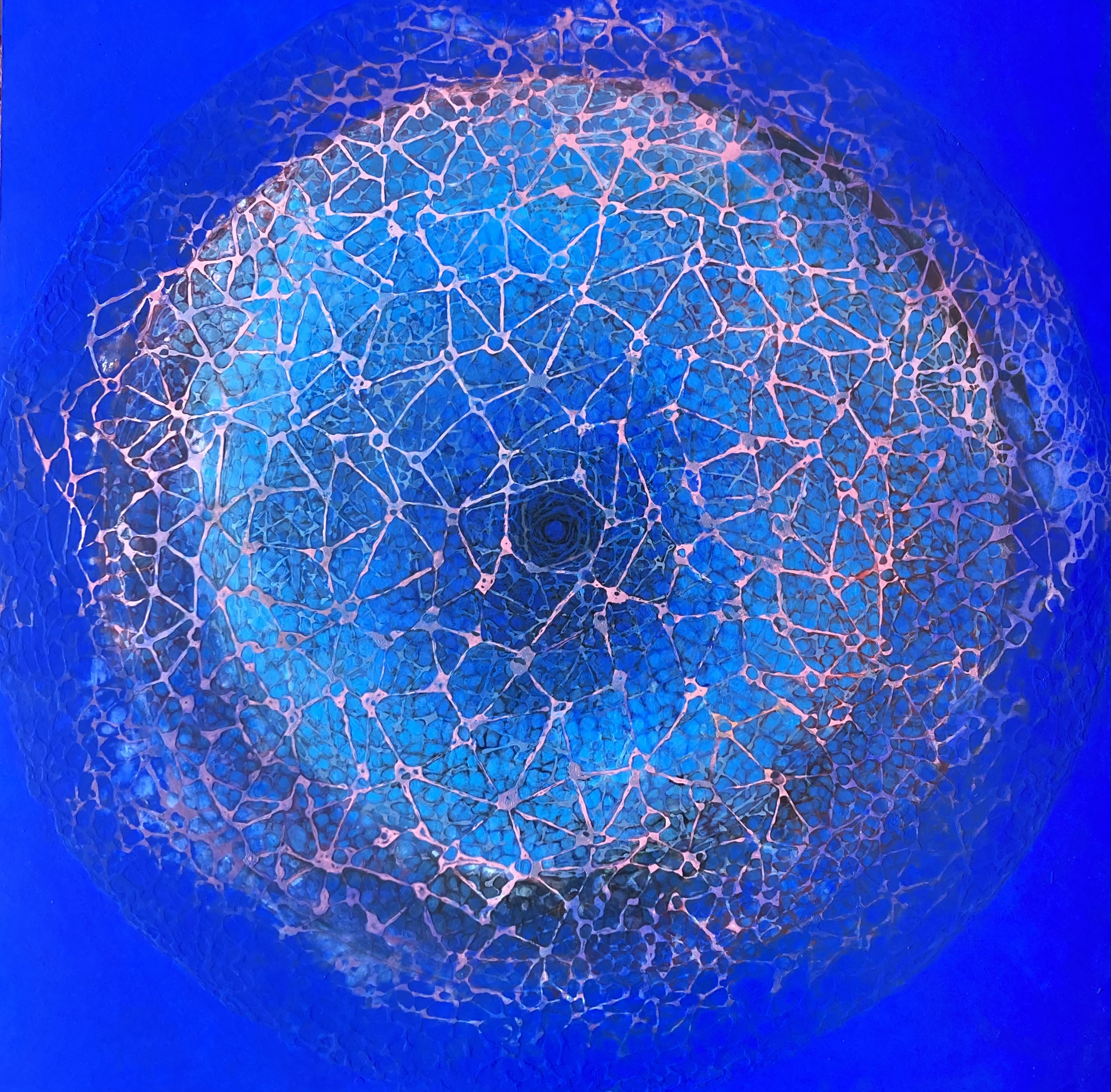
I originally trained as an architect, then as an artist. I spend as much of my time as I can painting and I’m currently preparing a body of semi-abstract paintings about quantum physics. You can find out more at https://gregorharvie.com/
|
| Painting #3065 - 100cm x 100cm acrylic on panel. Gregor Harvie |
How do you reply when at a party someone asks what you do?
It depends who I’m talking to. I think in the past having more than one role was unusual, but careers are now a lot more fluid and the move to working from home has made it fairly easy to combine two very different roles.
What is your biggest frustration?
The lack of visionaries in the construction industry. There is a huge amount of groupthink, with everyone doing the same things at the same time to the exclusion of everything else, sometimes even common sense. This is one of the reasons the industry keeps getting caught out with high profile disasters. There needs to be much more long-term thinking and a greater appetite for research and innovation.
What would you like to be doing in five years’ time?
I would like to be delivering more innovative, strategic solutions to the industry and finding like-minded, creative leaders to collaborate with. Someone recently said to me ‘we need to start doing things on purpose’. That is a great line.
What is your favourite building?
Sagrada Familia in Barcelona. It is an amazing example of a unique vision delivered against the odds. Not only is it an extraordinary sculptural shape, it is also an extremely clever structural design that was way ahead of its time. I don’t think there will ever be another building like it.
Your favourite place?
Rannoch Moor in Scotland. It has the perfect combination of bleakness, isolation and the most beautiful mountains. But you need to remember to take your midge repellent.
What do you do in your spare time?
I tend to get up very early so I can do all my construction-industry work in the morning, leaving the rest of the day for painting.
What organisations are you a member of?
I live on an island in Scotland, where I am an advisor to the community council, which has turned out to be a lot more interesting than I had expected. Small communities have complex needs and changes that might seem relatively insignificant from a construction-industry perspective can actually have a profound impact on the lives of individuals.
Which one issue would you particularly like the IHBC to campaign on?
Retrofitting our ageing building stock to improve its performance. I live in an old house myself, and while there are some obvious things that can be done to improve performance, like loft insulation and double glazing, after that it becomes much harder to make improvements without huge disruption and cost. More research is needed to develop standard solutions, properly quantify the long-term benefits and ensure there are no unintended consequences.
Related articles on Designing Buildings
Featured articles
Check out some of the best features and news from Designing Buildings as well as key stories from around the web.

The Building Safety Regulator announces a call for evidence.

Government approach could undermine delivery and regeneration.
World's first mass timber data centre.

The overlooked environmental aspect of data centre development.
Introduction to radon awareness

New technical information sheet published by CIOB.

Updated supplier guide can help electrical contractors engage with NHP.

CIAT confirm the winners of the 2026 architectural technology awards.

Government launches a one stop shop for flood preparedness.

Sir Edwin Lutyens: Britain's greatest architect? Book review.

CIOB publishes free template to help assess and manage risks.
ECA's reflections on Party Conference season

Burnham wants to be confident of winning before asking for a fresh mandate.
New Chief Construction and Scientific Adviser

Sergio Cavalaro, Professor of Infrastructure Systems at Loughborough University.
Building safety levy for England

CIAT publish estimator tool for members.